
The Theme of Loneliness and Human Connection
White NightsThe novel's meditation on the pain of isolation and the redemptive power of human connection, however brief.
increasing Bearing strength in each event
 decreasing
Bearing strength in each eventdecreasingThe Dreamer's Isolation
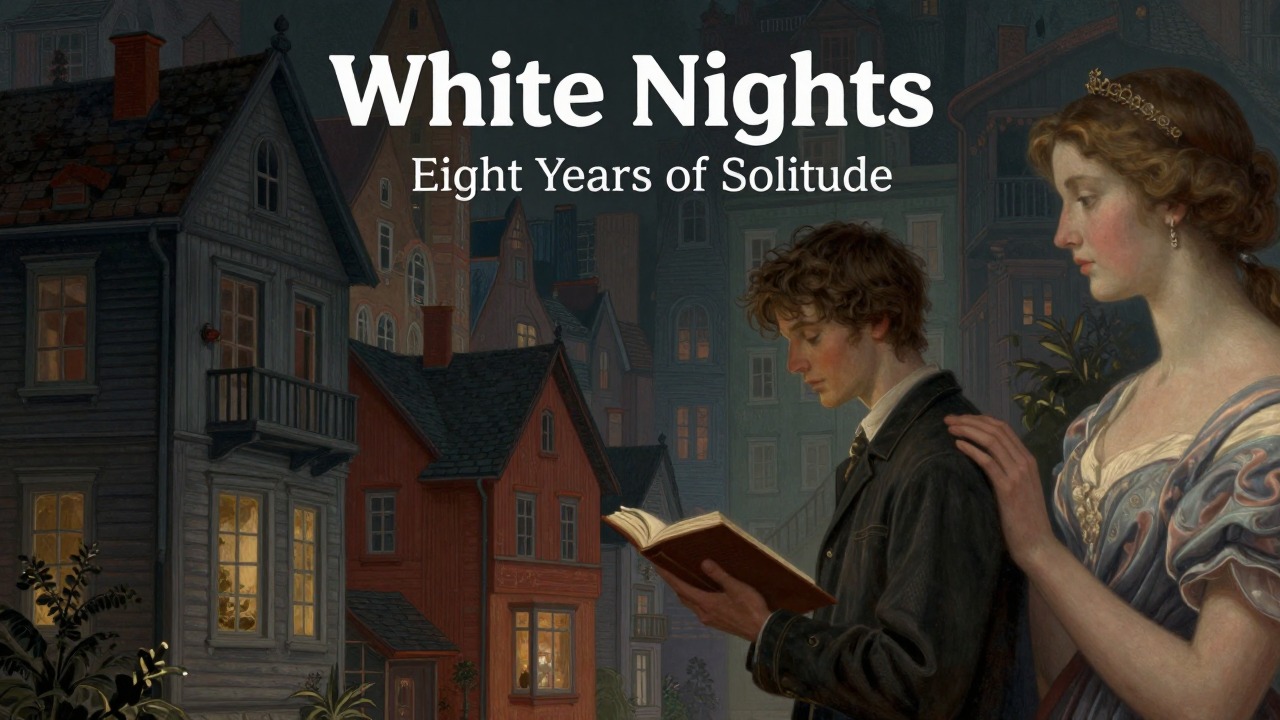
The Dreamer's Isolation
Eight Years of Solitude
The Dreamer has lived in a city of millions, yet he has no real friends. His only companions are his fantasies and the personified houses.
The Desire for Contact
He longs to speak to someone, to be understood. He fantasizes about approaching a woman in the street.
The Pain of Exclusion
When the city empties, he feels the full weight of his loneliness. He is the only one left behind.
The Connection with Nastenka
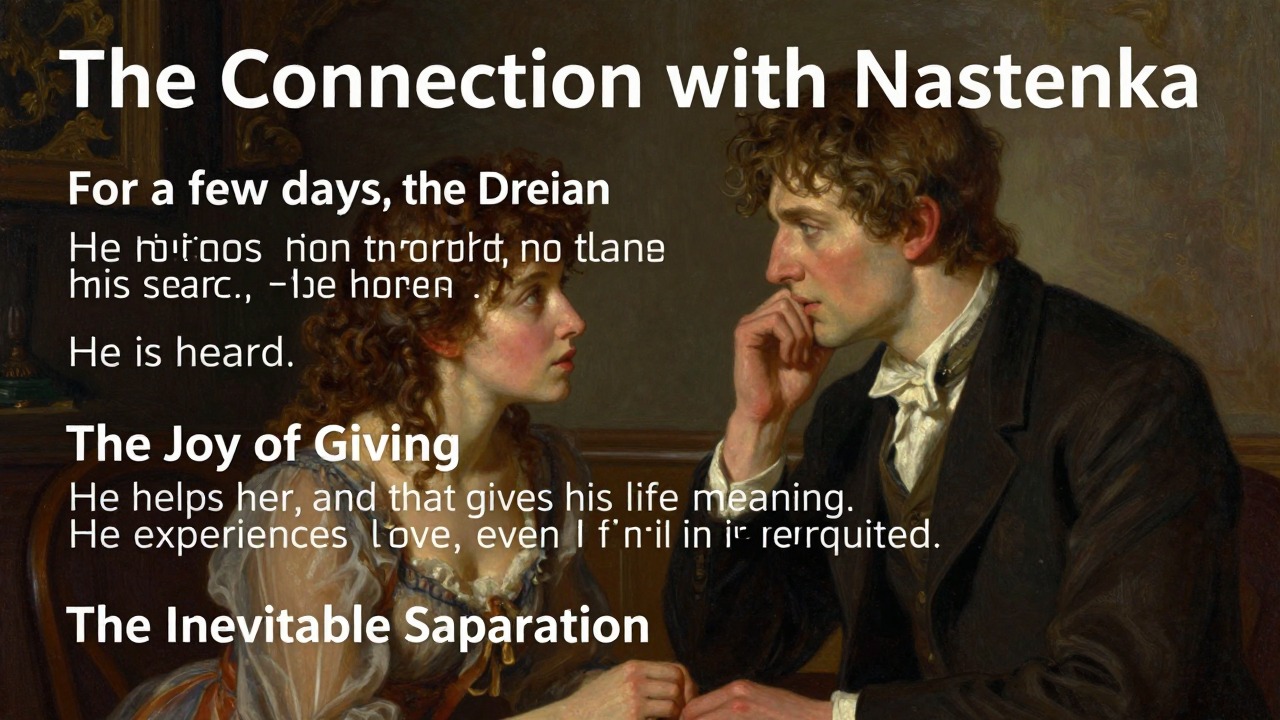
The Connection with Nastenka
A Brief Intimacy
For a few days, the Dreamer is no longer alone. He shares his thoughts, his fears, his history. He is heard.
The Joy of Giving
He helps her, and that gives his life meaning. He experiences love, even if it is unrequited.
The Inevitable Separation
But human connection is fragile. Nastenka leaves, and the Dreamer returns to solitude. However, he is changed by the encounter.
The Enduring Echo of Connection
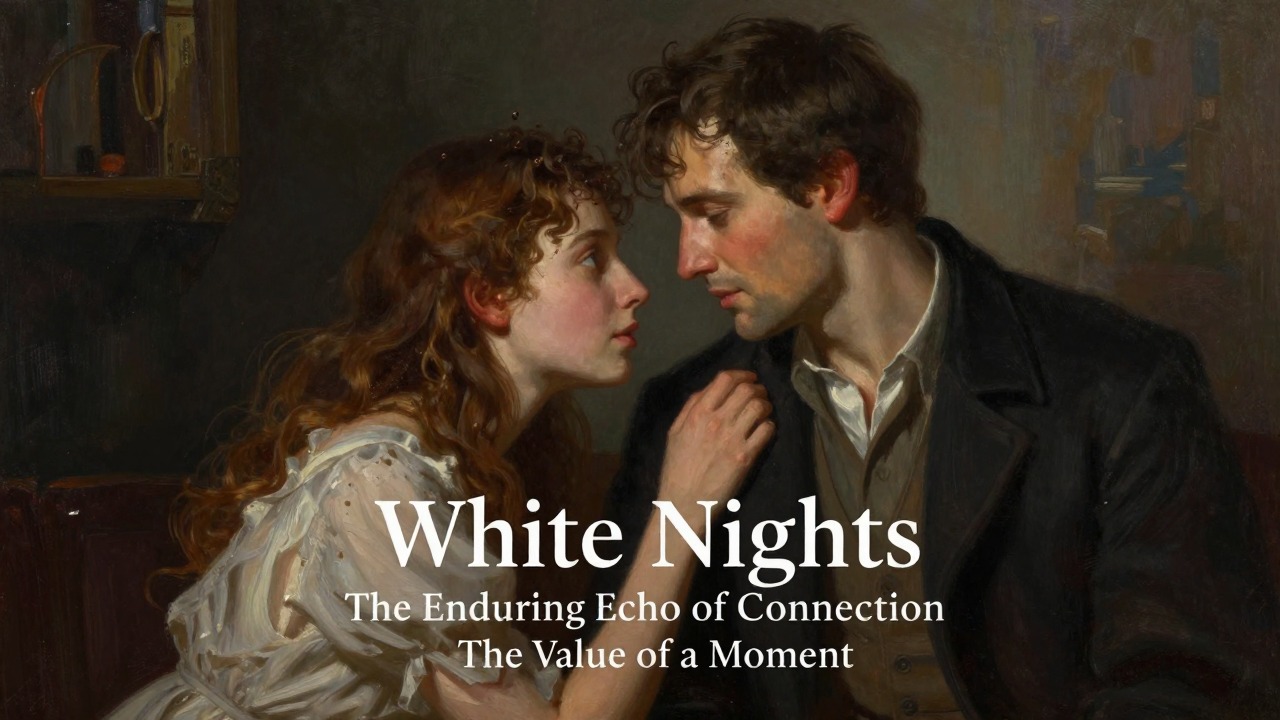
The Enduring Echo of Connection
A Permanent Scar
The memory of Nastenka will stay with him. He is no longer the same person. The loneliness is deeper now, but also richer.
The Value of a Moment
The novel suggests that one true connection, even if brief, can transform a life. The Dreamer is grateful for the pain and the joy.
The Human Condition
Dostoevsky portrays the universal need for connection and the tragedy of its transience. The white nights symbolize both the beauty and the fleetingness of love.
before meeting Nastenka
during the four nights
the morning after, and beyond
